
Data Platform Migration (SAP BW edition)
Main options, considerations and discussion

As SAP BW 7.5 is coming to an End of Life. As many customers has still a running BW 7.5 system (many migrated to BW/4HANA (ob-prem, in-memory optimized data warehouse from SAP), some have BW 7.5 in parallel, some gone different ways), there are currently many discussions about the way forward.
The following is a real and typical customer scenario I’m faced now several times. I simplified the scenario for explainability.
The Scenario
Often enterprises has more than one single data warehouse or data platform in place1. Therefore very often the question is:
Evolve SAP BW 7.5 the next step on-prem (BW/4HANA) or to the cloud (SAP Datasphere)?
Migrate to an existing or new 3rd party solution?
In the following picture I show typical discussions and possible ways for this evolution:
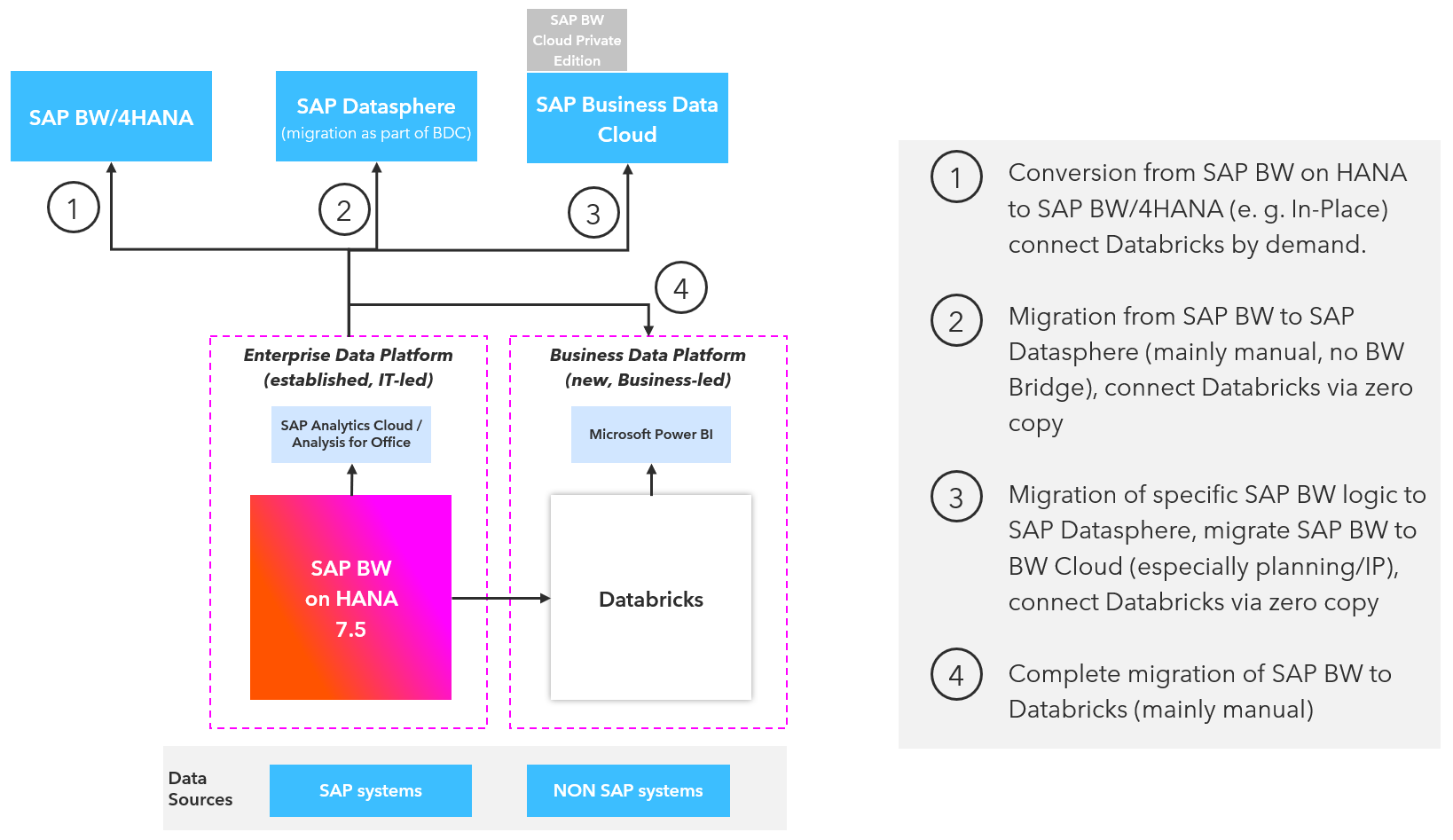
Fig. 1: Typical options to migrate you current SAP BW 7.5 system
For many customers this decision is complex. To show some typical considerations:
Conversion to BW/4HANA - a comparable small step, typically if you have a well running system and team and want to extend your lifetime what is given by SAP until 2040 for BW/4HANA. Innovation is very limited here, but there is maintenance from SAP.
Migration to SAP Datasphere - this seems to be the go-forward option into the cloud, interesting for many customers. Currently many work on this option but there is no easy way as there is no automated migration possible. It is rather a greenfield approach if you aren’t considering the BW Bridge option. This means SAP offers you an ABAP environment in the cloud, where you can run your legacy logic.
Going to the new SAP Business Data Cloud2 option. SAP really shows some benefits here, as you
are able to migrate your legacy BW to the cloud with extended support
have an additional benefit of creating a “Data Product” out of you BW assets (InfoProvider) and use it for other processing types as SAP Datasphere or
SAP Databricks - a option to process big data and enable additional machine learning options in a pro code environment, optimized for Data Engineers.
Migrate your BW 7.5 to a completely different platform like Databricks in my example.
As you may know SAP is partnering with platform vendors like Databricks, Google and Snowflake now to enable tighter integration and especially promoting the zero copy concept making it easier to use the same data (product) in different environments. SAP opend up to a broader ecosystem with this step and enable a better use of SAP data in specific context.
For sure, there are more variants you can discuss than this 4 showed, which makes the decision for the right way more complex.
There are now many ways to lead to a decision. I want to show some general considerations I can recommend to understand or come to a decision at least from the perspective of your data team.
General Considerations
While end of maintenance is a critical driver in this case, there are often some others, driving change from an existing and established environment.
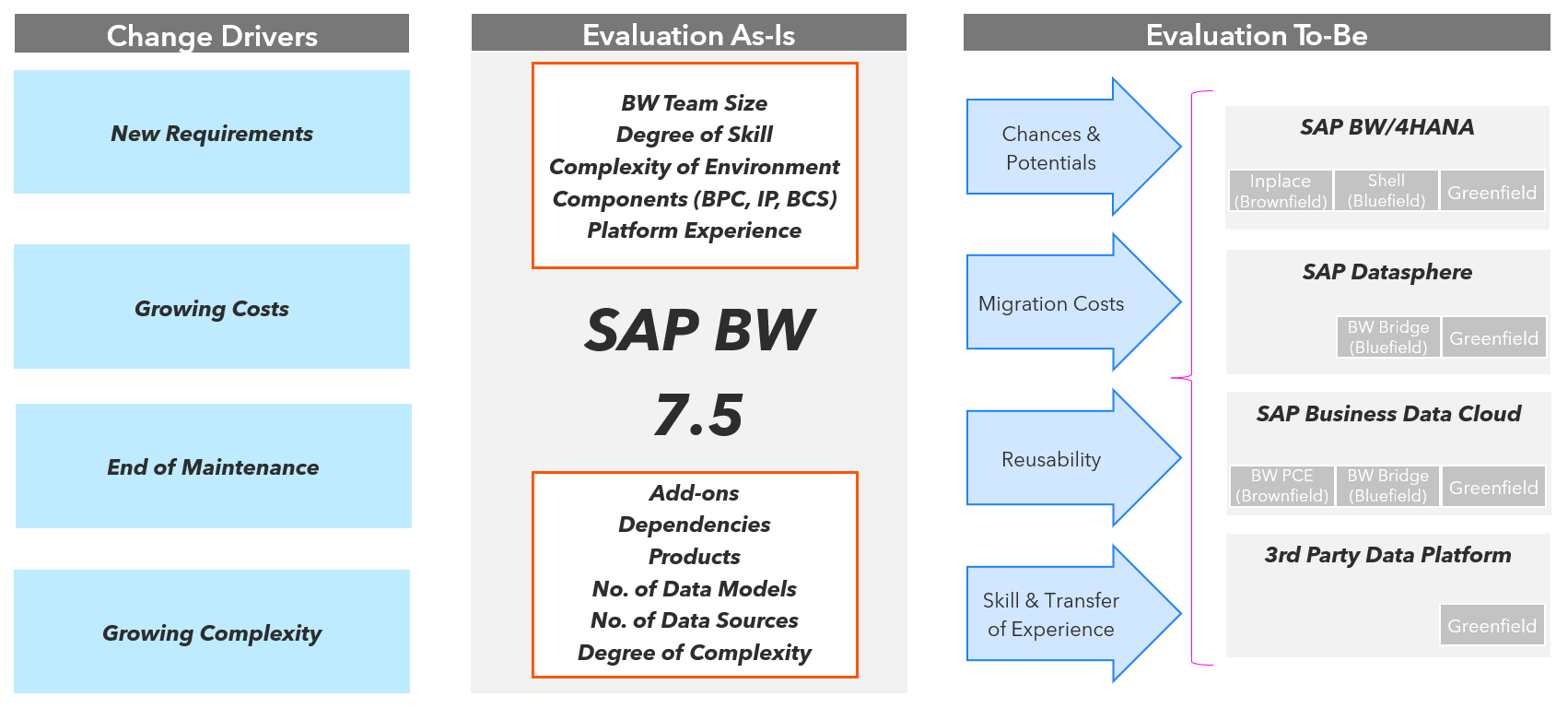
Fig. 2: Steps to analyze and understand your situation before you decide
If you understand your drivers, evaluate your current situation to understand what it means to make a step forward. As a last step, try to understand, what a specific target scenario means for you, your team and your business.
From an innovation standpoint, sticking on a legacy system showing no further innovation potential is a valid reason to do steps. Many companies argue wanting to become “data-driven” and need an innovative typically cloud-based platform, opening the way to SAP Datasphere or SAP Business Data Cloud. We especially see that at strong SAP shops, going the way with SAP, understanding the overall benefits of an best-of-suite strategy, it can be an easier step for sure.
From a business side it can be a totally different thing…
Conclusion
To understand your situation and analyze the impact is a critical first step. Sometimes it is already enough. If you can argument it as “strategic” and already have the budget, let’s go!
But in reality, we come often to the need to make clear what the business value behind such a step is. To be clear, this is a whole different and important story. For every IT department it has to be clear that showing the business value for such a migration, especially to SAP Datasphere or a 3rd party data platform like Databricks can easily cost a 7-figure amount of money.
Simplified, I see two types of customers:
1 - You have never really talked to your business about the value your data platform brings. At this state I wouldn’t name your approach “data-driven”, as data-driven means the value of data is very clear
2 - You are pretty aware about the value, create business cases, use concepts like “Data Products” and are pretty close to your business. In this case it should be easy to argue the next step.
For sure, this is a very black/white perspective. It should just show you, that it is very important to connect to your business and work on the business value of data. So step-by-step you become data- and value-driven and much more relevant in todays data world. Such a data platform evolution, whatever the target platform is, is a great opportunity for bringing your data team to the next level.
Now possibly letting you alone without a clear answer, in which direction you should migrate here, it depends as always. But typically you will have to consider cost vs. value of such an action.
How do you approach such a migration, may it be SAP or another platform where you possibly have similar thoughts about?
Check also my article about multiple data platforms
If you don’t know SAP Business Data Cloud, read my article “SAP Business Data Cloud“
Great breakdown of the SAP BW 7.5 crossroads. The complexity isn’t just technical, it's strategic, especially when options range from BW/4HANA to Datasphere to full ecosystem shifts like Databricks.
The “cost vs. value” framing is spot on. Most teams underestimate the business-value argument until it's too late.